- Boundless
- Nanobubble hydrogen water
Nanobubble hydrogen water, explained.
Bubbles smaller than a micron, the smallest molecule there is, and why the can matters. Here's the plain-English version.
Nanobubble hydrogen water is drinking water that carries molecular hydrogen (H2), with part of the gas held as bubbles smaller than 1 micrometer. The international standard ISO 20480-1 calls bubbles that size ultrafine bubbles, better known as nanobubbles. They're far too small to see, so the water looks completely clear and tastes like still water.
By Boundless / Updated October 7, 2026
The numbers that matter.
How small is a nanobubble?
Bubbles are sorted by size. ISO 20480-1, the international standard for fine bubble technology, calls anything under 100 micrometers (µm) a fine bubble and anything under 1 µm an ultrafine bubble. Most people say nanobubble.
- Soda fizz: around 1 mm and upEasy to see. Rises fast and pops at the surface in seconds.
- A human hair: about 70 µm wideA handy ruler for everything below.
- Microbubble: 1 to 100 µmLots of them turn water cloudy or milky. They still rise, just slowly.
- Nanobubble: under 1 µmInvisible. Water stays clear. Drifts with the water instead of racing to the top.
- One H2 molecule: about 0.29 nmThousands of times smaller again. This is what dissolves into the water.
Why size matters: the smaller a bubble is, the slower it rises. Big bubbles shoot up and burst. Nanobubbles are so small they move around with the water itself.
Nanobubble water vs. hydrogen water vs. sparkling water.
| Sparkling water | Regular hydrogen water | Nanobubble hydrogen water | |
|---|---|---|---|
| Gas | Carbon dioxide (CO2) | Hydrogen (H2) | Hydrogen (H2) |
| How the gas is held | Dissolved, then released as fizz | Dissolved | Dissolved, plus nano-scale bubbles |
| Bubble size | Visible, about 1 mm | No designed bubbles | Under 1 µm, invisible |
| Fizzy? | Yes | No | No |
| Looks | Bubbly | Clear | Clear |
| Tastes | Sharp, a little acidic | Clean, still | Clean, still, soft |
Three ways to get hydrogen into water.
- Electrolysis. A current splits a little water into hydrogen and oxygen. Common in home machines and bottles.
- Magnesium tablets. Magnesium reacts with water and gives off hydrogen. Easy, but it adds minerals and takes time.
- Pressure infusion. Pure hydrogen gas is pushed into chilled water under pressure, then sealed straight away. This is how canned hydrogen water is made at scale.
Nanobubble systems add one more step: the gas is broken into ultrafine bubbles as it goes in, so more of it spreads evenly through the water instead of escaping as big bubbles.
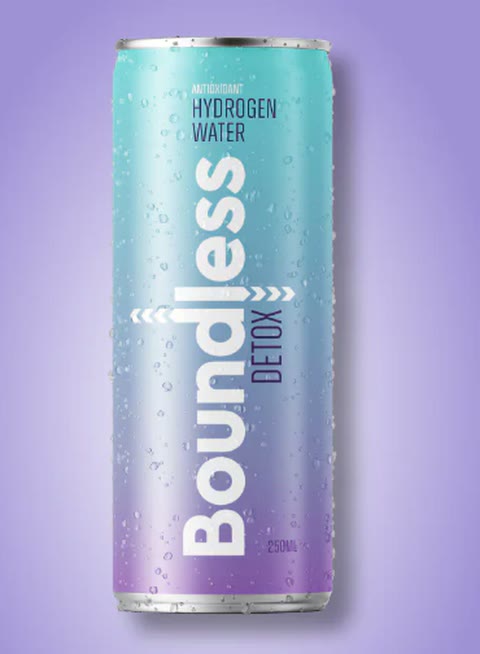
Nano tech, sealed in a can.
We infuse pure molecular hydrogen into filtered water as nano-scale bubbles, using the same thinking as our MCD (Micro Controllable Dispersion) process: break it small, spread it evenly. Then we seal it fast in aluminum.
- Small, even and steady. MCD is how we spread functional ingredients through liquid at the micron level, so the first sip matches the last.
- Aluminum, not plastic. Hydrogen is so small it slips through most plastics over time. Cans keep it in.
- Every level on the can. Detox 1.6 ppm, Sport 1.2 ppm, Kids 0.8 ppm. No guessing.
- Zero sugar. Every hydrogen water we make has no sugar at all.
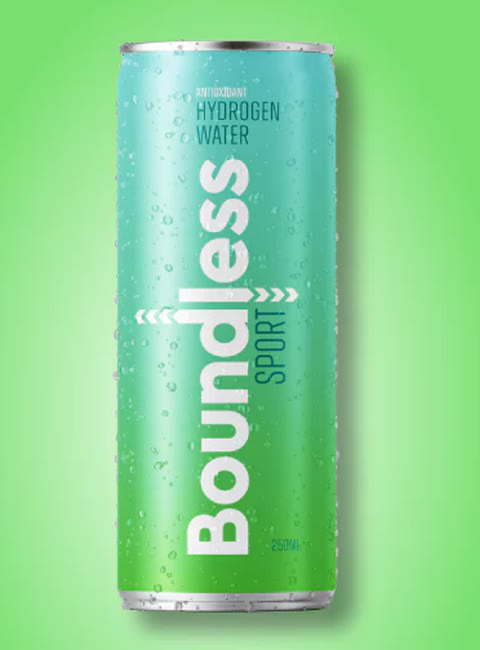
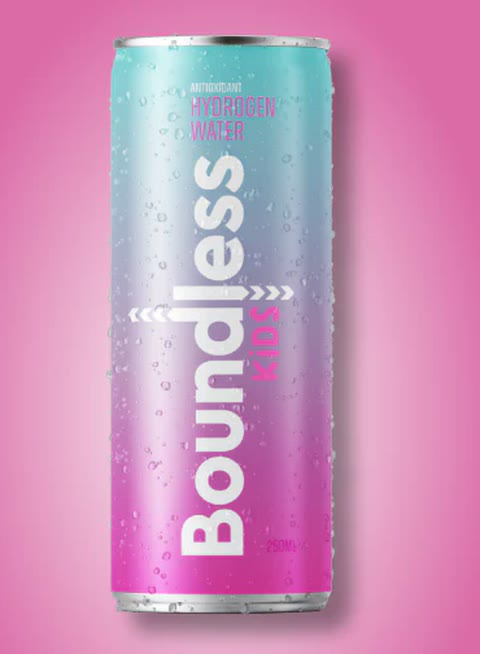
MCD, explained in two and a half minutes.
How to drink hydrogen water.
- Keep it cold. Cold water holds gas better than warm water.
- Open it when you're ready. Hydrogen starts to leave as soon as the seal breaks.
- Drink it within about 30 minutes. That's when there's the most hydrogen in it.
- Pour less, sip straight from the can. Pouring and swirling shake hydrogen loose.
Nanobubble hydrogen water questions.
What is nanobubble hydrogen water?
It's drinking water that carries molecular hydrogen (H2), with part of the gas held as bubbles smaller than 1 micrometer. Bubbles that small are called ultrafine bubbles or nanobubbles. They're too small to see, so the water looks completely clear.
How small is a nanobubble?
Under 1 micrometer (1 µm) across. A human hair is roughly 70 µm wide, so you could line up more than 70 nanobubbles across one hair. The international standard ISO 20480-1 calls bubbles under 1 µm ultrafine bubbles and bubbles under 100 µm fine bubbles.
Is nanobubble water the same as hydrogen water?
Not always. Nanobubble water can carry any gas, like oxygen, air or hydrogen. Hydrogen water is any water with dissolved molecular hydrogen. Nanobubble hydrogen water is where the two meet: hydrogen water where part of the hydrogen sits in nano-scale bubbles.
Is hydrogen water carbonated?
No. Fizz comes from carbon dioxide. Hydrogen water is still water with hydrogen gas in it, so it tastes clean and flat, like premium still water.
How much hydrogen is in Boundless hydrogen water?
Three levels, one per can: Detox 1.6 ppm, Sport 1.2 ppm and Kids 0.8 ppm, all in 250 mL aluminum cans. For scale, water at room temperature and normal pressure holds about 1.6 ppm of hydrogen, so Detox is filled right up to that mark.
Why is hydrogen water sold in cans?
Hydrogen is the smallest molecule there is, so it slowly escapes through most plastics. Aluminum keeps it in. That's why Boundless hydrogen water comes in sealed cans.
How long does hydrogen stay in water after opening?
Hydrogen starts leaving as soon as the can is open, so drink it within about 30 minutes for the most hydrogen. Keep it cold and closed until you're ready.
Meet the cap that mixes on demand.
Our Longevity Shot pairs a hydrogen water base with a twist-to-mix cap full of fresh actives.